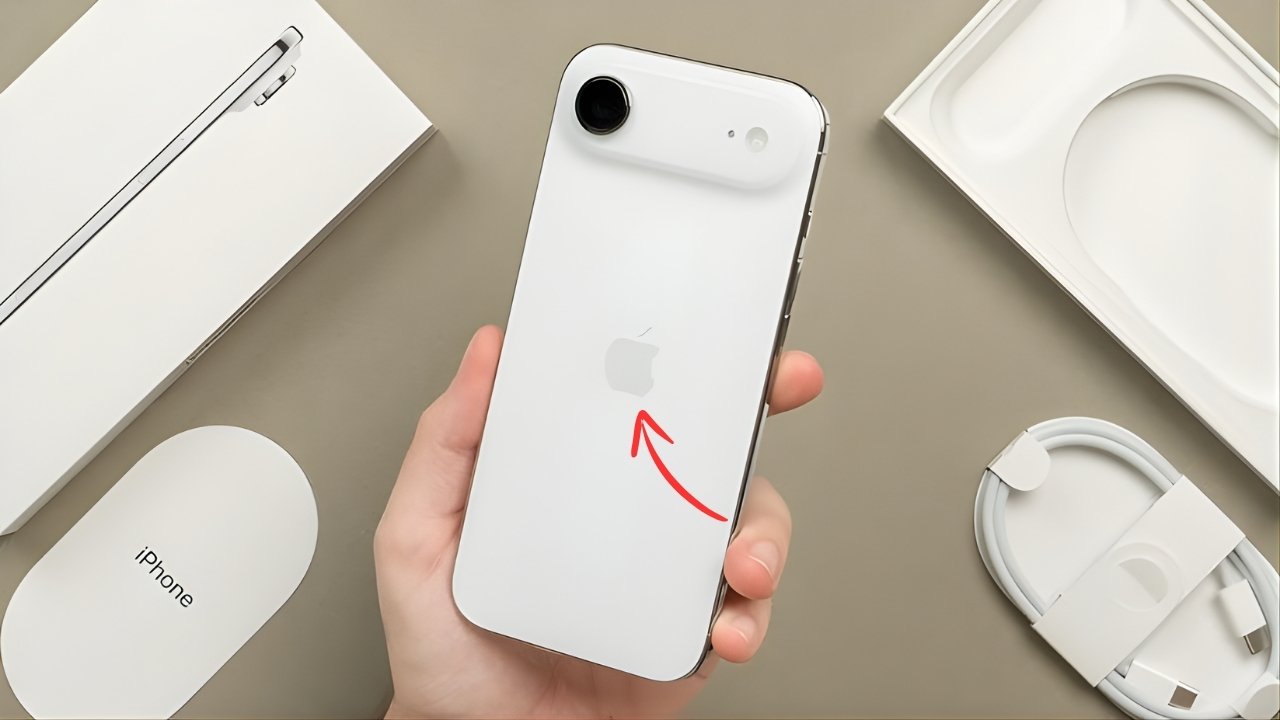
iPhone Air : Apple’s iPhone Air, unveiled in September 2025, continues to captivate smartphone enthusiasts in 2026 with its groundbreaking 5.6mm thin titanium chassis that packs nearly all iPhone 17 Pro features into a featherweight 165g design.
Positioned between standard models and Pro Max flagships at an expected $999 starting price, this 6.5-inch slab ditches the ultra-wide camera for slimmer dimensions while retaining ProMotion display, A19 Pro chip, and satellite connectivity.
Tech reviewers praise its pocketable form for one-handed mastery during Mohali commutes, though battery compromises spark debates among power users craving all-day endurance.
Featherweight Titanium Marvel Redefines Slim
Measuring 156 x 75 x 5.6 mm, the iPhone Air slips into tight jeans pockets unnoticed, blending aerospace-grade titanium edges with Ceramic Shield 2 front glass that shrugs off desk drops better than aluminum predecessors.
Available in Frosted Silver, Midnight Black, and Desert Titanium finishes, its matte texture resists fingerprints while premium milling adds subtle grip during sweaty workouts.
IP68 rating survives 6m swims, MagSafe magnets snap cases securely, and the centered rear camera array maintains balance without rear hump—pure ergonomic bliss for extended video calls.
Single-action side button pairs Face ID with power functions, volume rockers sit flush, and USB-C 2.0 port supports 20W wired charging alongside 20W Qi2 wireless. No headphone jack or SIM tray forces eSIM-only global roaming, but Dynamic Island notches elegantly house TrueDepth sensors for Animoji and portrait mode magic.
Larger Display Packs ProMotion Punch
6.5-inch Super Retina XDR OLED stretches 1260 x 2736 pixels at 463ppi density, delivering 120Hz ProMotion fluidity with always-on capabilities that sip minimal juice compared to 60Hz rivals.
HDR content peaks 1600 nits typical brightness, blasting 3000 nits outdoors to conquer direct sunlight on Punjab expressways. True Tone adapts color temperature to ambient lighting, Ceramic Shield 2 resists yellowing over years, and LTPO3 tech dynamically shifts refresh rates from 1Hz idle to 120Hz gaming.
Slim bezels claim 89.7% screen-to-body ratio, LTPO efficiency enables always-on widgets without rapid drain. Gaming shines with hardware ray tracing acceleration, though notch positioning irks some landscape video viewers.
A19 Pro Brain Powers Seamless Multitasking
Apple’s A19 Pro chip with 5-core GPU crushes Geekbench at 3200 single-core/8500 multi-core scores, outpacing Snapdragon 8 Elite in graphics benchmarks while neural engine processes 40 trillion operations per second for on-device AI.
iOS 26 launches buttery smooth, 12GB RAM (base 256GB UFS 4.0 storage up to 1TB) juggles 40 Safari tabs and Final Cut rushes without stutter. No microSD expansion forces cloud reliance, but iCloud Private Relay encrypts uploads seamlessly.
Wi-Fi 7 dual-band pulls gigabit home speeds, Bluetooth 6.0 latches AirPods Pro 3 with spatial audio precision, UWB 3.0 enables Precision Finding for lost keys. Satellite connectivity summons roadside assistance in remote Himalayan dead zones, 5G mmWave/Sub-6 blankets urban coverage nationwide.
Slimmed Camera Array Still Delivers Punch
48MP Fusion main sensor captures 24mm equivalent portraits with second-gen sensor-shift OIS, delivering tack-sharp 4K ProRes Log footage stabilized like gimbals.
12MP 2x telephoto offers lossless zoom without digital artifacts, though missing ultra-wide cramps landscapes—120° crops from main suffice for groups. Dual-pixel phase detection nails low-light macros, computational Night mode wrestles neon-lit Chandigarh nights competent.
18MP TrueDepth front camera auto-frames video calls in landscape/portrait, Cinematic mode blurs backgrounds fluidly. No dedicated macro lens, but AI Subject Zoom tracks pets intelligently.
Battery Tradeoffs with Smart Charging
3314mAh cell endures 18 hours video playback or 12 hours 5G streaming—respectable but trailing chunkier iPhone 17 Pro Max’s 25 hours. 20W MagSafe wireless hits 50% in 30 minutes, USB-C 2.0 caps 45W peaks, optimized battery chemistry promises 80% capacity after 1000 cycles.
StandBy mode transforms charging into smart display, satellite low-data mode extends remote use dramatically.
Thermal architecture vents heat efficiently despite slim profile, though prolonged 4K exports warm palm noticeably.
Ownership Perks Match Premium Price Tag
256GB base likely $999, 512GB/1TB escalates $100/$200—Apple Store trade-ins slash effective costs. Three-year warranty covers titanium polishing, software support stretches to iOS 32 (2029).
Also Read This : Kia Carens 2026 – High quality features MPV with 1.5-litre petrol engine, price is ₹10.40 Lakh
Minor gripes include non-expandable storage and camera compromises, but ecosystem integration shines brightest.
FaceTime Spatial Audio immerses calls, Apple Intelligence on-device AI summarizes texts intelligently, Continuity Camera turns iPhone into Mac webcam seamlessly.
iPhone Air Mid-Flagship Sweet Spot Shines Bright
iPhone Air carves unique niche—thinner than Galaxy S25 Ultra, more powerful than Pixel 10 Pro, perfectly pocketable premium without Pro Max heft. Ideal upgrade for iPhone 14/15 owners craving titanium toughness and ProMotion fluidity, though photographers miss ultra-wide versatility.
Swing Apple Store demo—feel that airy lightness, swipe 120Hz silkiness—you’re hooked on future form factor. As Android slims chase, Air proves Apple doesn’t follow trends; it defines them with uncompromised excellence.