Nokia 1100 Keypad : Nokia 1100 keypad phone stirs nostalgia with whispers of a modern revival, blending its legendary toughness from the early 2000s into 2026’s feature-phone frenzy for folks ditching smartphone overload.
Riders in Mohali’s bustling streets or Punjab’s rural stretches still swear by its dust-proof grit, now rumored with 4G/5G twists that keep emergency calls rock-solid amid Jio networks.
This bar-phone icon refuses to fade, proving simple keys beat touchscreens for quick dials and long hauls.
Timeless Build That Endures
Back in 2004, the Nokia 1100 measured a pocket-friendly 106 x 46 x 20 mm and tipped scales at just 86 grams, slipping into jeans without a bulge during market runs or bike rides.
Its dust-resistant keypad shrugged off construction dust, monsoon splashes, and pocket lint like a champ—perfect for India’s gritty conditions where fancy slabs crack easy.
Monochrome 96 x 65 pixel display glowed basic but readable, showing four lines of text for SMS or caller ID without draining juice.
Fast-forward to 2026 buzz, revival talks hint at a tougher polycarbonate shell with IP54 splash resistance, keeping that classic grey or blue finish scuff-free.
T9 tactile keys click satisfyingly under thumbs, no swipe smudges or battery hogs, while rubber grips fend off slips from sweaty palms in summer heat.
Single Mini-SIM slot locks in 2G basics, but fresh iterations promise Nano-SIM for 4G VoLTE, bridging old-school reliability with today’s towers seamlessly.
Battery Beast Mode
The original’s 850mAh NiMH pack delivered 4.5 hours talk time and a whopping 400 hours standby—enough to forget charging for weeks on shelf life alone.
Snake II and Space Impact ate idle hours without a dent, vibrating alerts buzzing through thick jeans for missed market deals. No fuss, just pure endurance that outlasted rivals twice its price.
2026 rumors amp it to 7200mAh lithium-ion monsters in keypad “smart” hybrids, pushing days of standby even with FM radio or LED torch blazing.
Quick-charge USB-C whispers surface, refilling in hours via power banks during long Punjab bus rides. Removable backs mean swap-and-go, dodging the glued-in traps of modern slabs that die overnight.
Everyday Features Done Right
Built-in flashlight pierced midnight power cuts or bike repairs under streetlamps, a game-changer pre-smartphone era.
Alarm clock jolted early risers for farm chores, while monophonic ringtones cut through chai stall chatter—think polyphonic dreams but real.
Dynamic phonebook stored 50 contacts, call logs tracked 10 each of dialed, received, missed—no cloud sync needed, just pure offline grit.
Revival specs tease Bluetooth 5.0 for wireless earpiece links, FM radio sans wires for traffic updates, and microSD slots expanding storage for MP3 ringtones or voice notes.
T9 texting flies on physical keys, auto-correction rumors add polish for Hinglish messages. No apps bloat, just calculator, calendar, and games keeping boredom at bay during waits at RTO offices.
Network and Sound Simplicity
GSM 900/1800 bands locked 2G calls crystal-clear across villages, no data drain worries when roaming fees spiked.
Vibrating alerts and loud earpiece blasted through noisy sabzi mandis, side-mounted torch doubling as a signal in blackouts. No Bluetooth or Wi-Fi kept it lean, focusing on what mattered: reliable voice over flaky signals.
Modern nods include 4G/5G fallback for Jio/Airtel clarity, GPS whispers for basic tracking in lost-bike scenarios.
Loudspeaker pumps group calls, while 3.5mm jack rumors hook basic earphones for radio podcasts on commutes. Dust-tight seals promise years of abuse, from pocket sand to chai spills.
Ownership Costs Stay Low
Launched around ₹3,000 back then, it owned hearts with cheap parts—keypads swapped for pennies at roadside stalls. Resale held firm years later, batteries revived with generic packs costing less than a meal. Service? Any pan shop fixed it, no fancy tools needed.
Today’s feature-phone wave pegs revivals at ₹1,500-3,000, undercutting candybar rivals like JioPhone. Zero EMIs at kirana credit, two-year warranties rumored standard. Users in 2026 still hoard originals for backups, praising zero lag versus app-crashing smartphones.
Nostalgia Meets Modern Needs
Talks of Nokia 1100 4G/5G fuse T9 keys with UIs for YouTube shorts or WhatsApp lite, squeezing smartphone tricks into bar form.
2.8-inch sunlight-readable screens rumored glow bright for outdoor hawkers, D-pad scrolling Netflix clips sans fatigue. At ₹6,999-10,499, it tempts elders tired of zoom lessons or kids wanting indestructible backups.
Owners reminisce durability trumping iPhones in drops, though monochrome limits selfies. Longevity shines—units from 20 years ago still ring, proving planned obsolescence lost here.
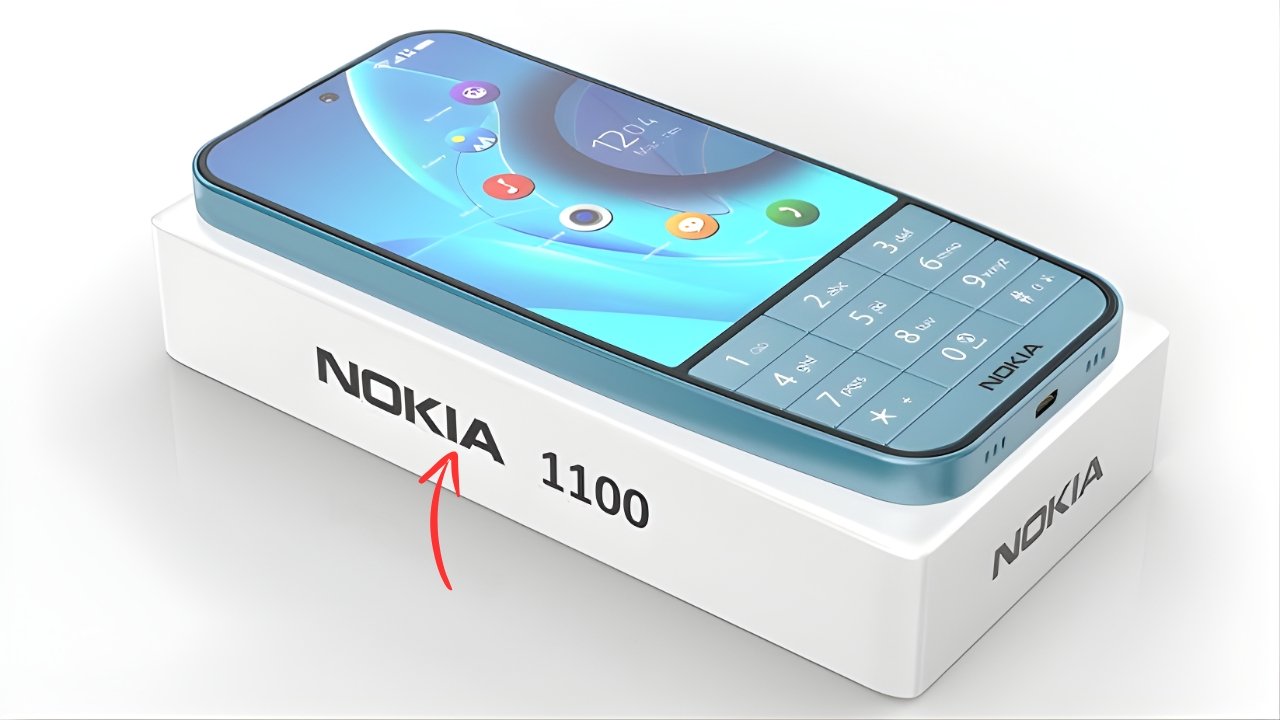
Nokia 1100 Keypad
Nokia 1100 keypad endures as the ultimate no-nonsense warrior, its dust-proof keys and epic battery laughing off 2026’s touchscreen tyranny for pure, reliable connection.
Also Read this – Suzuki Access 125 come for School Girls with 120 KM/h speed – features is Dhansu in low price
Whether original relic or rumored reboot, it fits India’s chaotic life like a glove—cheap, tough, timeless. Grab one for the detox your pocket deserves; it’ll outlive the hype.